Website Design In Jacksonville Fl: Reliable Web Creation Enhances Online Existence
Interface (UI) and User Experience (UX) Style: The Heart of Site Style
Ever arrived on a website that felt like browsing a labyrinth blindfolded? That's a UI/UX style failure. Site style isn't simply about aesthetics; it's about crafting an instinctive and enjoyable journey for your visitors.
What's the Difference, Anyway?
UI and UX are frequently used interchangeably, however they're distinct. Believe of it this way: UI is the saddle, stirrups, and reins of a horse-- the tangible elements. UX is the check here sensation of riding that horse-- the general experience. A gorgeous saddle (UI) will not matter if the horse throws you off (bad UX)
Secret Elements of a Fantastic UI
- Instinctive Navigation: Can users easily find what they're searching for? A clear menu structure is paramount.
- Visual Hierarchy: What should users see? Usage size, color, and positioning to assist their eyes.
- Availability: Is your website functional for everyone, including those with impairments? Consider color contrast, alt text for images, and keyboard navigation.
- Consistency: Keep a constant feel and look throughout your website. This builds trust and lowers confusion.
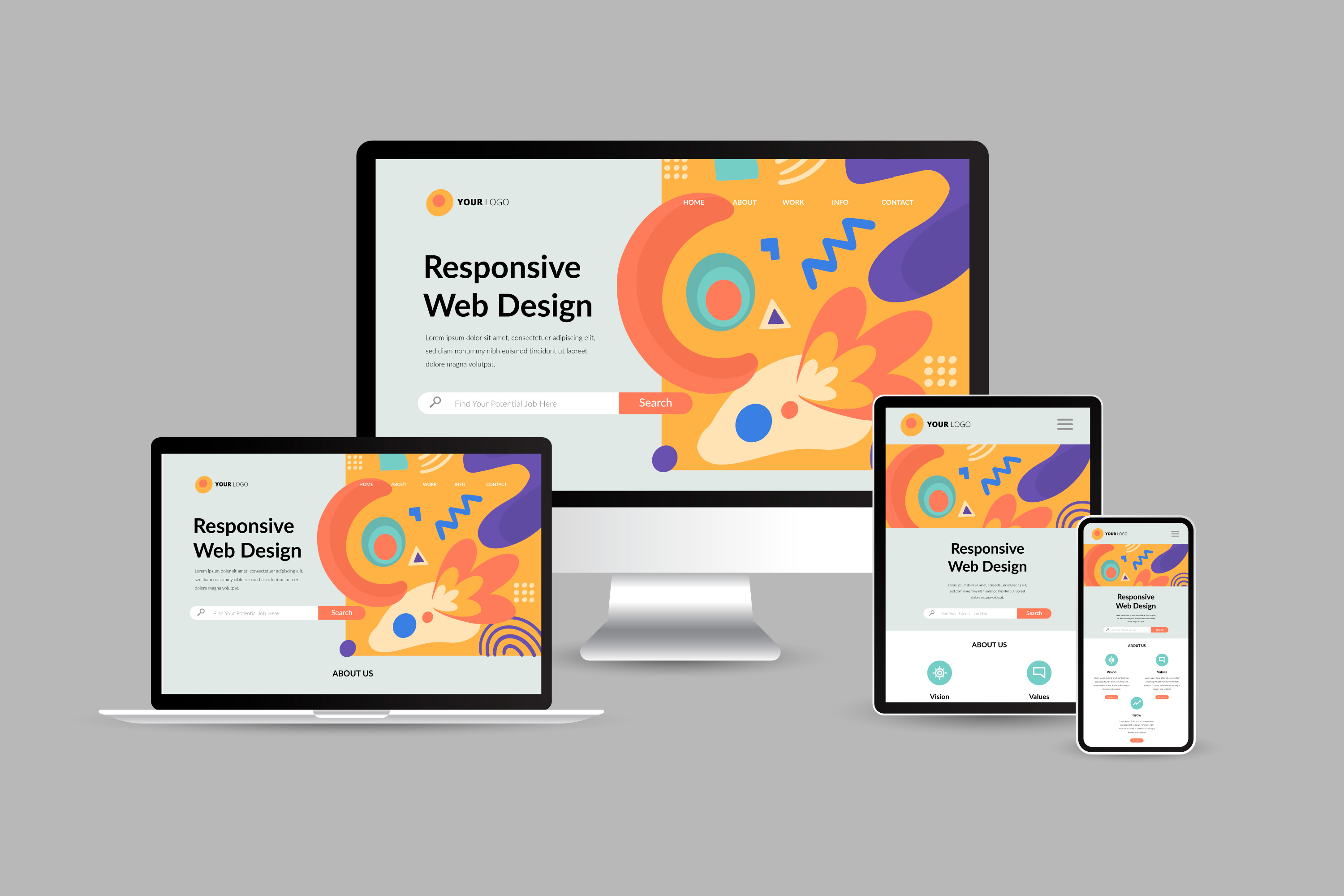
Crafting a Compelling UX
User experience style is all about understanding your audience. What are their goals? What are their discomfort points? What delights them? It's about empathy, research, and iterative improvement.
UX Best Practices:
- User Research: Conduct studies, interviews, and use screening to comprehend your target audience.
- Personas: Produce fictional representations of your ideal users to direct your style choices.
- Details Architecture: Organize your content in a sensible and user-friendly method.
- Use Testing: Observe users interacting with your site to identify areas for improvement.
The ROI of Great UI/UX
Purchasing UI/UX style isn't practically making your website look pretty. It's about driving conversions, increasing customer complete satisfaction, and structure brand name loyalty. A well-designed site can be an effective tool for accomplishing your business goals. Remember that time when Apple revamped their site? Sales soared, and the rest is history. Can you imagine what a distinction it could produce you?
Prevent Common Mistakes
Sluggish filling times, chaotic layouts, and confusing navigation are UX killers. Don't let these mistakes sabotage your site's success. Prioritize speed, simpleness, and clarity.
Eventually, terrific UI/UX style has to do with producing a website that is both beautiful and functional. It's about putting the user first and comprehending their requirements. When you get it right, the rewards are well worth the effort.
Details Architecture: The Blueprint of Your Site
Ever felt absolutely lost browsing a site, clicking aimlessly intending to come across that evasive piece of info? That's a failure of info architecture (IA). Think about IA as the structural skeleton of your website, the invisible framework that determines how material is organized and identified. It's not almost looks; it's about usability, guaranteeing visitors can effortlessly find what they require. Why is this crucial? Due to the fact that a confused visitor is a lost client. And a lost client is bad for business.
Crafting a Smooth Navigation Experience
Navigation style is the user interface symptom of your IA. It's the menus, breadcrumbs, and search bars that direct users through your website. A properly designed navigation system should be instinctive, predictable, and efficient. Consider this: the fewer clicks it considers a user to find what they're looking for, the better. But what takes place when your site grows, building up pages and content like dust bunnies under the sofa?
Typical Troubles and Specialist Solutions
Among the biggest difficulties in IA is managing intricacy as your site expands. Unexpectedly, your carefully planned structure feels like a twisted mess of spaghetti. This typically results in "click fatigue," where users desert their search due to frustration. How do you avoid this? An essential method is regular material audits. Ruthlessly prune out-of-date or unimportant material. Consolidate similar pages. Re-evaluate your labeling system. Think about how users really look for information, not just how you think they search.
- Card Arranging: A user-centered style method where individuals arrange topics into categories that make sense to them. This reveals important insights into how your target audience perceives and categorizes info.
- Tree Screening: Assesses the findability of subjects within your website's hierarchy. Individuals are provided jobs and asked to browse the existing (or proposed) structure to locate the answers.
- User Flows: Mapping out the actions a user requires to complete a specific task on your website. This helps determine possible bottlenecks and areas for improvement in your navigation.
Another ignored element is mobile-first IA. What deal with a desktop doesn't constantly equate well to a smaller sized screen. Focus on vital material and simplify navigation for mobile users. Consider utilizing a hamburger menu or a bottom navigation bar for easy access to key sections.
Welcome the power of internal connecting. Strategically link associated content within your website. This not only enhances SEO but likewise encourages users to check out further, increasing engagement and time on site. Consider your website as a network of interconnected concepts, not just a collection of isolated pages.
Let's not forget the significance of a robust search performance. A well-implemented search bar can be a lifesaver for users who can't discover what they require through standard navigation. Guarantee your search function is accurate, fast, and supplies appropriate outcomes. Implement features like autocomplete and recommended searches to even more improve the user experience.
Web Material Strategy and Creation: The Heart of Website Style
Ever discover yourself looking at a blinking cursor, a blank page buffooning your finest intents for a killer site? It's a familiar scene. A dazzling style can draw visitors in, however what keeps them there? The response, my pal, is engaging content. It's the bedrock upon which effective websites are constructed. Consider it the soul of your digital existence.
Crafting a Material Method
Web material strategy is more than simply blog site posts and item descriptions; it's a diligently planned roadmap guiding your audience through a carefully curated experience. Think about it as the designer's plan, making sure that every element operates in consistency to accomplish your goals.
- Define Your Audience: Who are you trying to reach? What are their needs, wants, and goals? Knowing your audience is paramount.
- Establish Clear Goals: What do you desire your website to accomplish? Are you wanting to produce leads, drive sales, or build brand awareness?
- Conduct Keyword Research Study: What terms and expressions are your target audience utilizing to find info online? Comprehending keyword research is essential for SEO.
- Develop a Material Calendar: Plan your material production and publishing schedule in advance. Consistency is crucial.
The Art of Web Material Development
It's time to roll up your sleeves and start composing. Not just any writing. We're speaking about content that mesmerizes, informs, and influences action.
Here's the rub: Producing truly interesting web content isn't always simple. The common mistake? A disconnect in between the intended message and how it's in fact gotten. It resembles trying to fit a square peg into a round hole. The service? Compassion. Enter your audience's shoes. What are their doubts? What info do they need to decide? Address these concerns head-on, and you'll be well on your method to creating content that resonates.
Keep in mind, websites aren't pamphlets; they're vibrant, interactive platforms. Use visuals, videos, and interactive components to keep your audience engaged. Break up big blocks of text with headings, subheadings, and bullet points. Make your material scannable and easy to digest.
SEO Considerations: Making Your Content Discoverable
Producing fantastic material is just half the fight. You likewise require to ensure that individuals can find it. That's where SEO can be found in.
- Use appropriate keywords throughout your content.
- Enhance your title tags and meta descriptions.
- Develop top quality backlinks from other websites.
- Guarantee your website is mobile-friendly.
Here's a professional tip: Do not just stuff keywords into your content. Focus on producing valuable, informative material that people in fact wish to read. Online search engine are getting smarter, and they're fulfilling websites that focus on user experience.
The Ever-Evolving Landscape
Web material method and production is a continuous process, not a one-time occasion. The digital landscape is constantly developing, so it is necessary to remain current on the current trends and finest practices. Regularly examine your website's performance and make modifications to your content technique as needed.
Visual Design and Branding Elements
A site's visual style is more than simply window dressing; it's the digital handshake that forms a first impression. It's about crafting an experience that resonates with your audience, weaving your brand name's DNA into every pixel. Think about it as visual storytelling. What story are you telling? Is it one of trust and dependability, or development and enjoyment? The branding aspects you use are the ink and paper of this story.
Color Psychology: More Than Simply Pretty Hues
Ever question why a lot of banks utilize blue? Color stimulates feeling. It's not practically aesthetic appeals; it has to do with psychology. Red can yell urgency, while green whispers development and harmony. Consider your target market. What colors resonate with them? What feelings do you want to evoke? Do not just select a color you like; choose a color that works.
One common mistake I see is disregarding ease of access. Is your color combination legible for those with visual disabilities? Tools like color contrast checkers are your friends here. A visually spectacular site style is worthless if it excludes a portion of your audience.
Typography: Your Brand name's Voice
Typefaces aren't simply fonts. They're voices. A playful script can convey whimsy, while a vibrant sans-serif can predict self-confidence. Are you utilizing a typeface that's readable across different devices and screen sizes? A gorgeous font style is wasted if it's a stress to read. And, for the love of all that is holy, limit the number of typefaces you use. A cacophony of typefaces is a visual problem.
Imagery: An Image deserves a Thousand Clicks
Stock pictures have their place, but authentic imagery can be gold. Initial photography or illustrations can set you apart. Showcasing your team, your products in action, or your unique procedure includes a layer of credibility that stock images simply can't replicate. But beware the mistakes! Are your images enhanced for web usage? Large images can maim your website's filling speed, sending out visitors fleeing. Do your images line up with your brand name's message and values? A mismatched image can create harshness and confuse your audience.
- Make sure images are premium however enhanced for web use (compressed)
- Use alt text for all images, both for ease of access and SEO.
- Think about using a constant style for your imagery (e.g., black and white, vintage filter)
The Consistency Conundrum
Think of a brand that uses a various logo on every page, a various color plan on every area, and a different font style on every heading. Confusing? Consistency is crucial. Your brand must be quickly identifiable, no matter where somebody experiences it online. Utilize a style guide to record your brand's visual elements and guarantee that everyone on your team is on the same page. It's a little investment that pays dividends in brand acknowledgment and trust.
One aspect typically overlooked is the favicon. It's the small icon in the browser tab. A well-designed favicon strengthens your brand identity and makes your site easier to discover among a sea of open tabs. It's the little information that make a big effect.